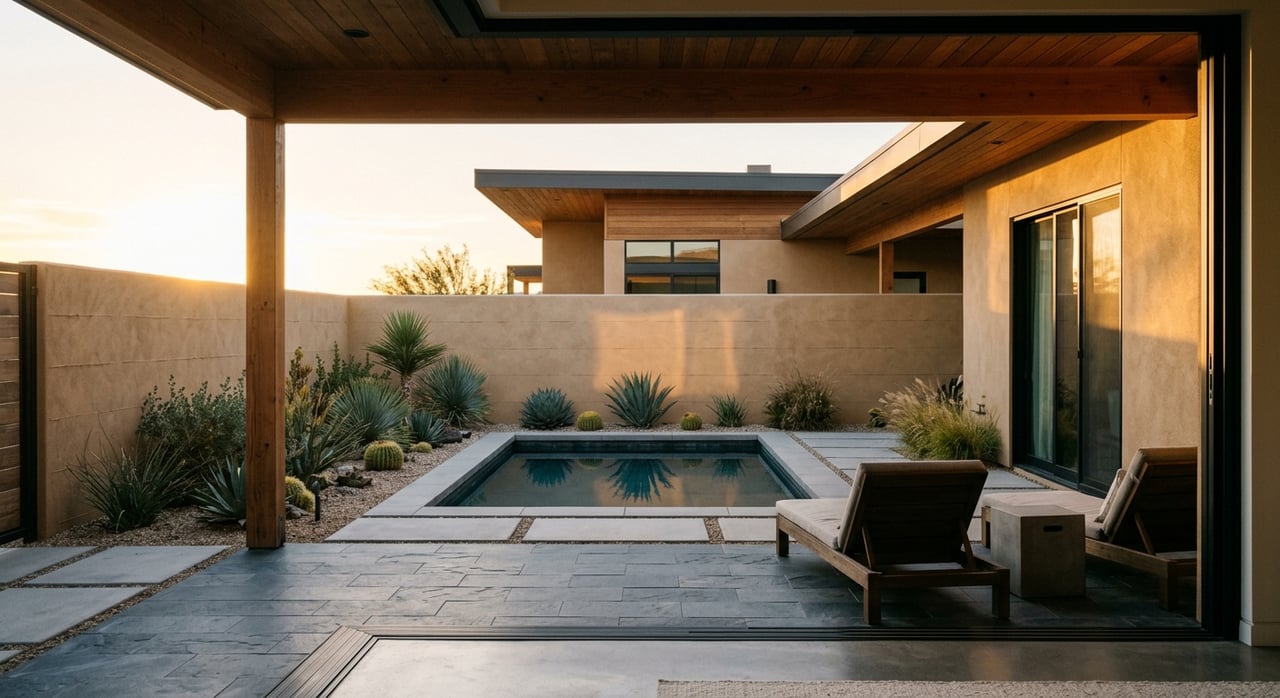
Chandler AZ Home Pricing Strategy for Today’s Market
July 2, 2026
July 2, 2026
Wondering why one Chandler home sells quickly while a similar one sits for weeks? In today’s market, the answer often comes down to pricing strategy, not luck. If you plan to sell, you need more than a hopeful number. You need a price that fits your home, your competition, and what buyers are actually doing right now. Let’s dive in.
Chandler is still a solid market for sellers, but it is no longer the kind of market where almost any listing will spark instant offers. In May 2026, Phoenix REALTORS reported a median sales price of $550,000 for Chandler single-family homes, 55 days on market, a 98.4% list-price-received ratio, and 3.0 months of supply.
Other data sources tell a similar story, even if the exact numbers vary. Redfin showed a median sale price of $519,689, about 49 days on market, and homes selling roughly 2% below list on average. Realtor.com reported a $555,000 median listing price, a 99% sale-to-list ratio, and a median marketing time of 50 days.
The takeaway is simple. Homes are still selling, but sellers cannot count on the fast, frenzied conditions many people remember from the peak pandemic years. In Chandler’s current market, overpricing is more likely to show up as extra days on market than a quick bidding war.
Chandler home values have climbed significantly over the past several years. According to the city’s 2026 General Plan, the median resale single-family home price rose from $390,000 in 2020 to $565,000 in 2024, with the sharpest increases happening in 2021 and 2022 before growth started to level off.
That price growth created a tougher affordability picture for buyers. The same city report says Chandler’s median income was $101,300 and that, with 10% down and a 7% loan rate, the maximum affordable house value for a median-income household was about $352,000. That is well below the city’s median resale single-family price.
What does that mean for you as a seller? Buyers may still want your home, but many are more payment-sensitive than they were a few years ago. When affordability gets tighter, the market tends to reward realistic pricing and punish wishful pricing.
In a market like this, buyers compare every listing more carefully. They are looking at monthly payment, condition, location, and how your home stacks up against nearby options. Even a modest pricing gap can push them toward another property.
This is especially true when homes are already selling close to list, but not far above it. Chandler single-family homes posted a 98.4% list-price-received ratio in May 2026, while Realtor.com showed a 99% sale-to-list ratio overall. That tells you buyers are still willing to pay strong prices, but usually only when the asking price feels justified.
One of the biggest pricing mistakes sellers make is relying on a citywide average. Chandler is too varied for that approach to work well. Pricing should reflect the micro-market your home actually competes in.
ZIP-level snapshots show how different price points can be across the city. Realtor.com reported median listing prices of about $462,500 in 85224, $469,700 in 85225, $659,900 in 85286, and $725,000 in 85249. Median days on market across those ZIP codes ranged from about 41 to 54 days.
That spread matters because buyers do not shop Chandler as one giant bucket. They compare homes by neighborhood, age, floor plan, lot type, updates, and overall presentation. A pricing strategy that works in one part of Chandler may miss the mark in another.
Your home’s property type also affects how aggressive your pricing can be. In May 2026, Chandler townhouses and condos had a median sale price of $317,500 and 83 days on market. Single-family homes, by comparison, posted a $550,000 median sale price and 55 days on market.
That is a meaningful difference. Attached homes are moving more slowly, so pricing them takes extra discipline. If you own a townhouse or condo, your strategy should account for longer marketing times and a more competitive supply picture.
A smart list price is not pulled from a website estimate or a broad market headline. It should come from a careful review of the factors that affect how buyers will see your home today.
The strongest pricing strategy usually starts with:
This is where preparation and pricing work together. If your home is well presented, staged thoughtfully, and ready for showings, the asking price is easier for buyers to understand and accept.
Pricing does not happen in a vacuum. Buyers react to what they see, and that shapes how much value they assign to your home. Two similar homes can perform very differently if one feels move-in ready and the other feels like a project.
That is why pre-listing preparation matters. Needed repairs, cosmetic improvements, and thoughtful staging can help support your price and improve your first impression online and in person. In a market where homes are not flying off the shelf, presentation can be the difference between early interest and a slow start.
Many sellers hope they can price high and reduce later if needed. On paper, that can sound safe. In practice, it often costs time and leverage.
When a home sits without much attention, buyers tend to notice. They may assume something is wrong, wait for a reduction, or come in with lower offers. A stale listing can be harder to sell than a fresh listing priced correctly from the start.
That matters in Chandler, where homes are moving, but not instantly. With typical marketing times around 50 to 55 days for single-family homes, you want to capture attention early rather than spend the first few weeks testing a number the market may reject.
If your home has been on the market and showings are light or offers are not coming in, it is usually time to review the full strategy. Price is often the first place to look, but it is not the only one.
A reset may include:
The key is to respond early and thoughtfully. In a more price-sensitive market, small adjustments made at the right time can help you regain momentum.
Broad county numbers can be helpful for context, but they are not precise enough to price a Chandler home well. In May 2026, Maricopa County single-family homes had a 70-day median on-market time, a 98.2% list-price-received ratio, and 4.0 months of supply. Chandler single-family homes were faster, with 55 days on market and 3.0 months of supply.
That difference is exactly why neighborhood-level analysis matters. If Chandler is outperforming the broader county, and your specific area is outperforming Chandler, your pricing strategy should reflect that. The closer the comps are to your home in location, condition, and style, the more useful they become.
If you are preparing to sell in Chandler, a strategic approach usually works better than an ambitious one. The goal is not to pick the highest possible number. The goal is to choose a price that attracts strong interest, supports your home’s value, and gives you the best chance at a solid outcome.
In today’s market, that often means pricing with precision, preparing with care, and staying flexible as the market responds. Chandler is still a strong place to sell, but the sellers who do best are usually the ones who treat pricing as a strategy, not a guess.
If you want a pricing plan built around your neighborhood, your competition, and your home’s presentation, Cynthia Brown can help you prepare, price, and launch with confidence.
Stay up to date on the latest real estate trends.
Work with a trusted real estate professional with 18+ years of experience in buying, selling, and negotiating. Serving the East Valley and Greater Phoenix, specializing in trust and relocation sales for a seamless, stress-free experience.