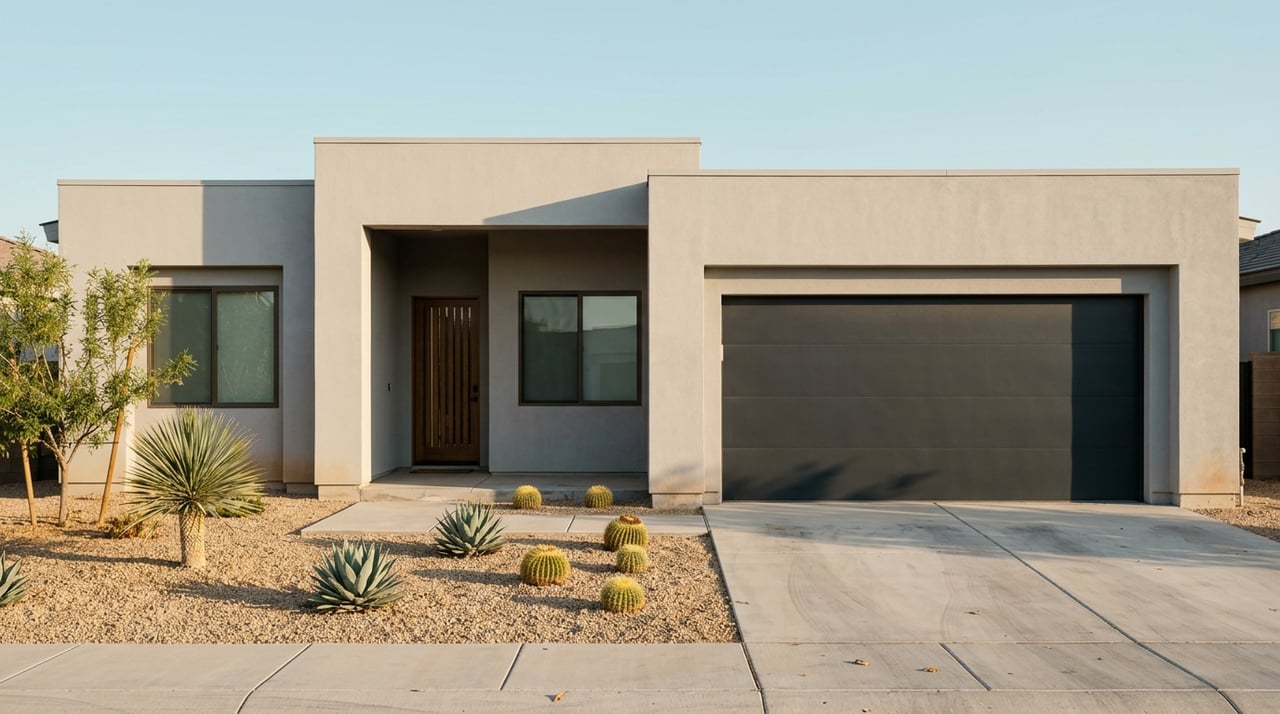
Move-Up Selling In Gilbert: Coordinating Two Transactions
June 4, 2026
June 4, 2026
Thinking about buying your next home before you sell your current one in Gilbert? You are not alone, and you are right to pause before making a move. Coordinating two closings can feel like a balancing act, especially in a market where homes are selling, but not always overnight. The good news is that with a clear plan, the right contingencies, and realistic budgeting, you can make a move-up sale feel far more manageable. Let’s dive in.
Gilbert’s April 2026 market snapshot shows a median listing price of $619,900, a median sold price of $580,000, 1,233 active listings, a median 44 days on market, and a 99% sale-to-list ratio. Realtor.com also described Gilbert as a seller’s market and a warm market. That tells you there is still solid demand, but timing is not instant.
For move-up sellers, that gap matters. If your current home does not close before your next purchase is ready, you may need a backup plan for housing, storage, or cash flow. That is why written timelines and contingencies are so important when you are trying to line up both sides of the move.
Mortgage costs also affect the equation. Freddie Mac reported the average 30-year fixed rate at 6.53% for the week ending May 28, 2026. When borrowing costs are higher than they were a few years ago, your available equity and monthly payment comfort level become even more important.
There is no one-size-fits-all strategy for move-up selling in Gilbert. The right path depends on your equity, cash reserves, lender approval, and how much temporary overlap your budget can handle.
This is often the lowest-risk option from a cash flow standpoint. You know exactly how much equity you have after your sale closes, and you avoid the stress of carrying two homes at once.
The tradeoff is convenience. You may need temporary housing, storage, or a second move before you can settle into your next home. In Arizona, possession normally transfers at close of escrow unless the parties agree otherwise in writing, so you should not assume you can stay in the home after closing without a separate agreement.
This path can work if you have strong equity and lender approval for a short overlap. It can also make your move feel smoother because you can purchase first and then list your current home with less day-to-day disruption.
Still, this option carries more financial pressure. Fannie Mae allows bridge or swing loans as a source of funds in certain cases, but the lender must document your ability to carry the payments on the new home, the current home, the bridge loan, and your other obligations. A HELOC may also provide access to equity, but it is typically variable-rate, and falling behind can put your current home at risk.
A contingency is a condition that must be met before a purchase can move forward. For move-up buyers, home-sale and home-close contingencies can help protect you when you need your current home to sell before the next purchase is complete.
Arizona has a Buyer Contingency Addendum designed for this exact situation. It can make the new purchase contingent on the closing of your pending sale or on having an accepted offer for your current property. The revised form also gives the buyer a three-day window to waive the contingency by showing lender documentation or proof of cash ability to close.
The tradeoff is competitiveness. Sellers can often keep showing their property, and they may accept backup offers or use kick-out rights. In a desirable Gilbert price range, that can matter.
Sometimes the easiest solution is to close your sale and remain in the home for a short period after closing. This type of post-possession arrangement can help bridge the gap between transactions.
In Arizona, though, these agreements need to be handled carefully. Risk management guidance recommends putting all terms in writing and addressing details like insurance, utilities, maintenance, occupancy rights, rental payments, deposits, and the condition of the home when you move out. If the arrangement is structured as a lease, additional landlord-tenant rules may apply.
The best strategy usually comes down to one question: how much uncertainty can your budget comfortably absorb? If carrying two mortgage payments, a bridge loan, or temporary housing would feel too tight, selling first is often the safer route.
If you have substantial equity, strong reserves, and clear lender approval, buying before you sell may be possible. In that case, you still want a detailed plan for what happens if your current home takes longer than expected to go under contract or close.
A practical move-up plan often starts with these questions:
One of the biggest mistakes move-up sellers make is focusing only on the next mortgage payment. In reality, the transition period can include several moving parts.
In Gilbert, the April 2026 median rent was $1,899 per month. That gives you a useful starting point if you need a longer temporary rental, though furnished short-term options and storage may cost more.
You should also plan for these common expenses:
Even if you hope everything lines up perfectly, it is smart to build some cushion into your plan. A move feels much calmer when your budget includes room for delays or surprise costs.
When you are coordinating a sale and a purchase at the same time, even small contract deadlines matter. Arizona buyers are advised by the Arizona Department of Real Estate to review the seller’s property disclosure report and purchase contract carefully so they understand the deadlines for challenging disclosures and completing inspections.
That is especially relevant when you are buying your next home while also selling your current one. The Arizona SPDS guidance says every buyer should receive a Seller’s Property Disclosure Statement, and the contract framework calls for the seller to deliver it within five days after acceptance. That can compress your due diligence timeline while you are still managing your own listing, showings, and moving logistics.
If you are buying a home in a new subdivision, ADRE says the Public Report must be provided before the purchase contract is signed. That report includes information such as utilities, local services, taxes, assessments, and HOA details. Knowing when those documents arrive can help you avoid surprises and stay organized.
When two transactions need to work together, preparation becomes more than a nice extra. It is part of your risk management.
A well-prepared listing can help reduce time on market and improve your odds of a cleaner timeline. That includes pricing strategy, home presentation, staging, repairs, vendor coordination, and a launch plan that supports strong early interest.
Just as important, you need a purchase plan that matches your sale plan. If your goal is to buy with confidence, you want to understand your likely net proceeds, your timing options, and what protections you may need in writing before you make an offer.
Move-up selling in Gilbert is rarely about finding one perfect answer. It is about building a smart, flexible plan around your finances, your timing, and your comfort with risk.
If you are thinking about moving up, start by mapping out your sale proceeds, overlap costs, and backup options before you tour homes or commit to a purchase. That kind of planning can make the entire process feel more predictable and much less stressful.
When you want a steady, project-managed approach to timing, pricing, and preparation, Cynthia Brown can help you create a move-up strategy that fits your goals.
Stay up to date on the latest real estate trends.





Work with a trusted real estate professional with 18+ years of experience in buying, selling, and negotiating. Serving the East Valley and Greater Phoenix, specializing in trust and relocation sales for a seamless, stress-free experience.