South Mountain Phoenix Outdoor Living Design Ideas
July 16, 2026
July 16, 2026
If your backyard fights the climate, it will always feel like work. In South Mountain’s corridor, the best outdoor spaces do not try to copy a lush yard from somewhere else. They work with the desert, the views, and the rhythm of life in South Phoenix. Let’s look at how to create an outdoor oasis that feels inviting, practical, and well-suited to this part of Phoenix.
South Mountain Park and Preserve gives this area a strong outdoor identity. With more than 16,000 acres and over 100 miles of trails, it is one of the biggest anchors of the South Phoenix lifestyle. Dobbins Lookout, at 2,330 feet, adds the kind of sweeping Valley views that inspire many homeowners to think differently about their own outdoor space.
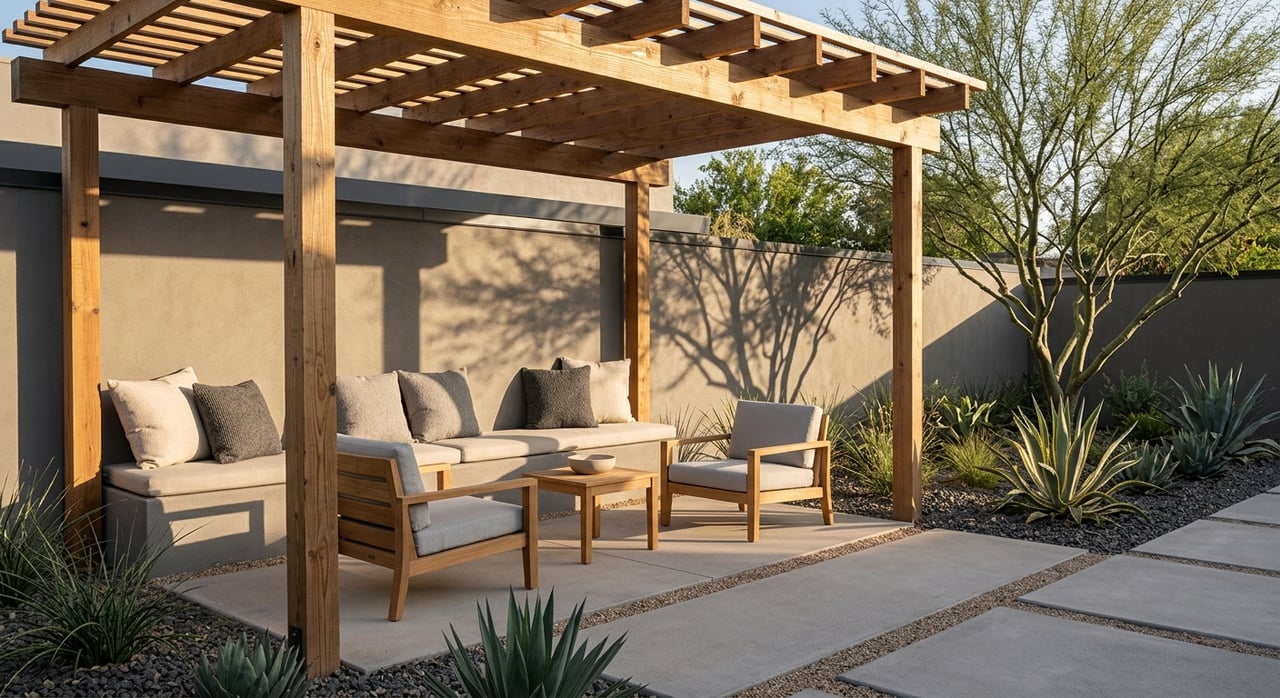
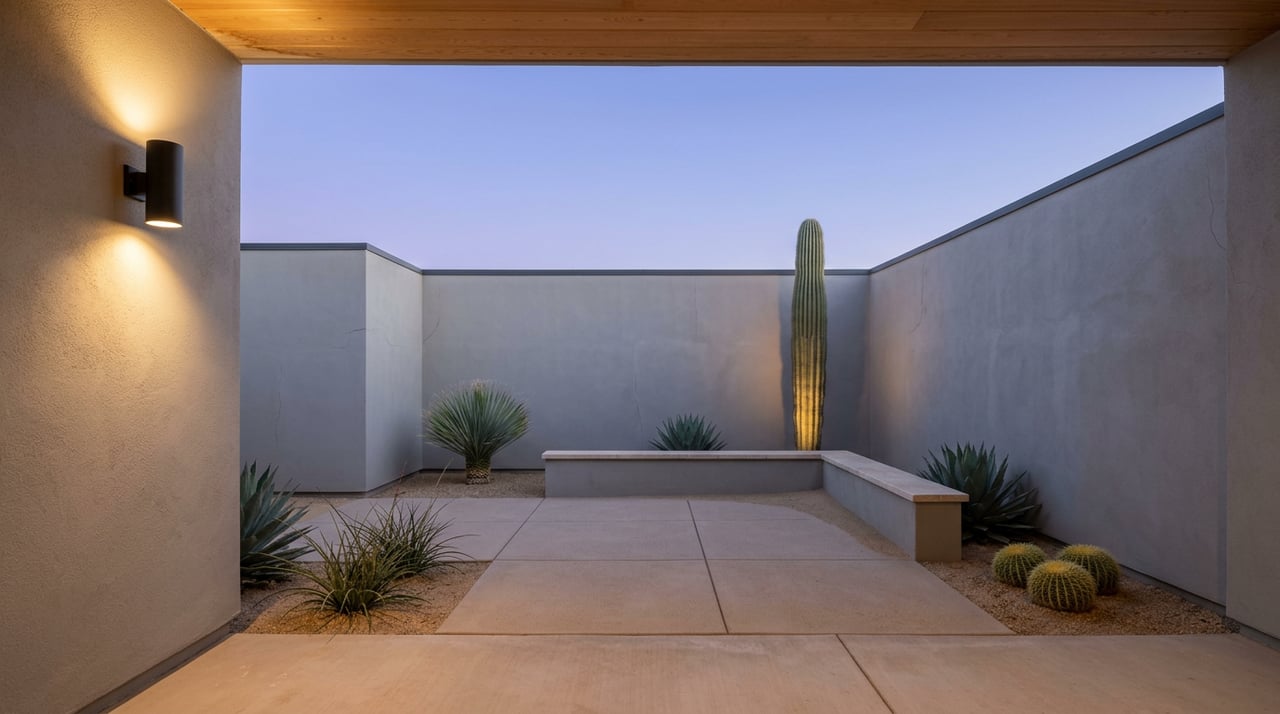
That local setting matters when you plan a yard. In the South Mountain corridor, an outdoor oasis is often less about excess and more about daily use. A comfortable seating area, smart shade, and a clean desert palette can feel more connected to the area than a high-maintenance design.
Phoenix is warm and dry for most of the year. The 1991 to 2020 climate normals show an average annual temperature of 75.6 degrees and annual rainfall of just 7.22 inches. The updated normals also reflect a warmer and, in many places across the region, drier pattern than earlier decades.
That means your yard plan should start with durability and water efficiency. It also means comfort needs to be designed, not assumed. If you want your outdoor space to feel usable in real life, shade, surface choice, and plant selection need to lead the conversation.
The City of Phoenix says up to 70% of household water use happens outdoors. That is a major reason desert landscaping makes sense here. The city defines desert landscaping as using low-water-use, desert-friendly plants that are adapted to Phoenix soil and infrequent rainfall.
For many homeowners, this is good news. A desert-friendly design can still look layered, colorful, and polished. It can also reduce the burden of constant watering and upkeep.
Phoenix also operates a Trail Heat Safety Program, which is a useful reminder that outdoor life here always comes with heat planning. The same mindset applies at home. If your yard has no relief from direct sun, even a beautiful design may sit empty for much of the year.
Think about where you naturally want to spend time. Then build in shade and comfort first, so the space works during more parts of the day.
In a desert yard, shade is not an extra. It is the feature that makes everything else usable. Before choosing furniture, planters, or decorative accents, think about how to create a cooler microclimate.
AMWUA notes that trees are central to the landscape and can help reduce heating and cooling costs. It also recommends placing trees to shade east- and west-facing exposures during summer. Deciduous trees can also allow winter sunlight back into the home, which makes them useful in both warm and cooler seasons.
Several tree options from AMWUA’s desert plant guide work well with a South Phoenix look and climate, including:
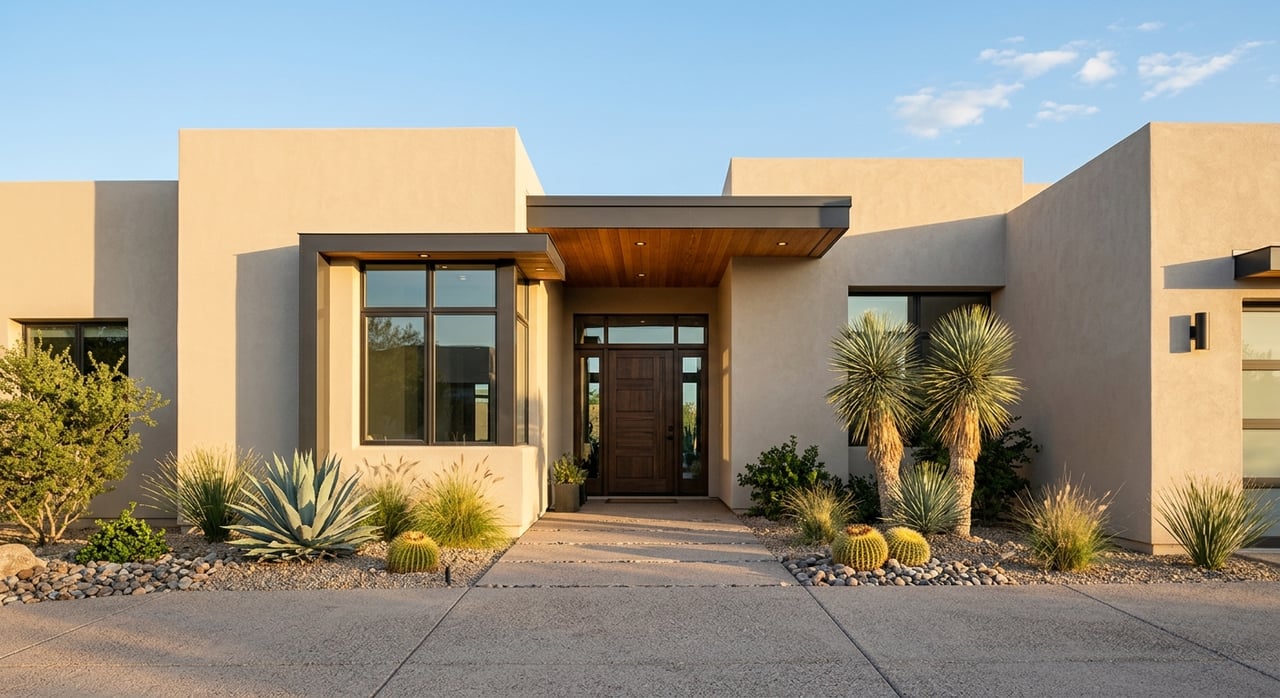
These trees can help soften the yard, add filtered shade, and reinforce a true desert character. They also pair well with the modern desert and Contemporary Southwestern styles common in Greater Phoenix.
A well-designed desert yard should not feel empty. The strongest landscapes use layers to create depth, shape, and seasonal interest. Instead of relying on one plant type, think in combinations.
AMWUA’s plant database includes 224 drought-hardy plants selected by local landscape professionals. The City of Phoenix also notes that desert-friendly plants come in many shapes, sizes, and colors. That gives you plenty of room to create a yard that feels intentional rather than sparse.
For a grounded, low-water landscape, consider layering different heights and textures with plants such as:
This mix can create contrast between soft forms and sculptural shapes. It also helps a yard feel more finished, which matters whether you are designing for your own enjoyment or preparing a home for sale.
A better yard usually starts with a better plan. The University of Arizona Cooperative Extension says successful xeriscapes begin with thoughtful planning and design. In practice, that means organizing your yard into clear use areas instead of planting first and hoping it all comes together.
Zoning helps the space feel calmer and more functional. It also makes it easier to balance hardscape, planting, circulation, and drainage.
You might break your yard into zones like these:
This approach is especially helpful if you want the yard to feel easy to use every day. It also creates a more market-ready look, because buyers tend to respond well to outdoor spaces that feel purposeful.
In South Phoenix, water-smart design is not just responsible. It can also make the landscape more resilient and easier to maintain. Phoenix points homeowners toward green stormwater infrastructure and passive rainwater harvesting as ways to capture water where it falls and reduce runoff.
That can be as much about grading and placement as it is about equipment. A yard that directs water well is often a yard that performs better during storms and supports healthier planting over time.
Phoenix monsoon season runs from June 15 to September 30, with storms often peaking between mid-July and mid-August. The city advises residents to clean drains and scuppers, repair landscaping so water runs away from the home, and bring outdoor furniture inside ahead of storms.
If you are upgrading your yard, build with those seasonal conditions in mind. Stable furniture, thoughtful drainage, and secure materials can help protect both your investment and your peace of mind.
Outdoor projects can be exciting, but they still need to follow city rules. Phoenix says many residential home improvement projects require permits and inspections. Patio covers are specifically listed as permit-requiring projects.
That is worth knowing early in the planning process. If you are adding shade structures or making major improvements before listing your home, a permit-aware plan can help you avoid delays.
If you are replacing grass, Phoenix currently offers a Residential Grass Removal Program with a $2 per square foot incentive. However, homeowners must get preapproval and a Notice to Proceed before removing grass. The finished design also cannot leave bare soil.
The city also notes that homeowners must comply with HOA covenants, codes, and restrictions where applicable. For planned communities, that step is important before finalizing a new design.
A well-designed yard can support both enjoyment now and presentation later. According to the 2025 Remodeling Impact Report, 92% of REALTORS recommend improving curb appeal before listing. The same report says 97% believe curb appeal is important in attracting a buyer, and 98% believe it is important to a potential buyer.
In a place like South Phoenix, the most compelling outdoor spaces often feel intentional, shaded, and low-maintenance. Buyers are not just noticing beauty. They are also noticing function, comfort, and whether the space looks ready for real daily use.
For sellers, that is where smart planning matters. A polished desert landscape, practical shade, and a clean layout can help a home feel more complete without pushing into high-water or high-upkeep territory.
If you want a simple checklist, focus on the features that align with the climate and local lifestyle:
These choices often create the strongest balance between beauty and practicality. They can also help your property show well if a move is on the horizon.
If you are thinking about updates before selling, or you want a yard plan that feels both livable and market-smart, Cynthia Brown can help you think through which improvements are worth doing, how to prepare your home strategically, and how to present it at its best.
Stay up to date on the latest real estate trends.
Work with a trusted real estate professional with 18+ years of experience in buying, selling, and negotiating. Serving the East Valley and Greater Phoenix, specializing in trust and relocation sales for a seamless, stress-free experience.