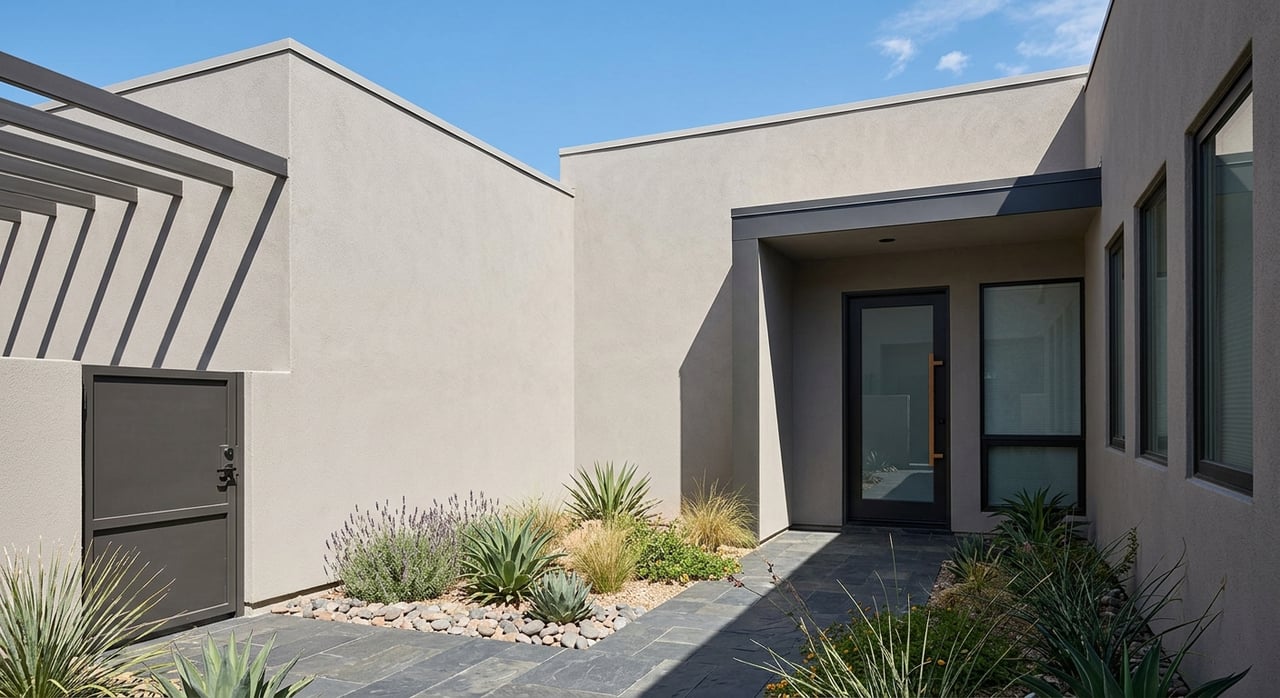
Lock and Leave Homes in Phoenix: What to Compare
July 9, 2026
July 9, 2026
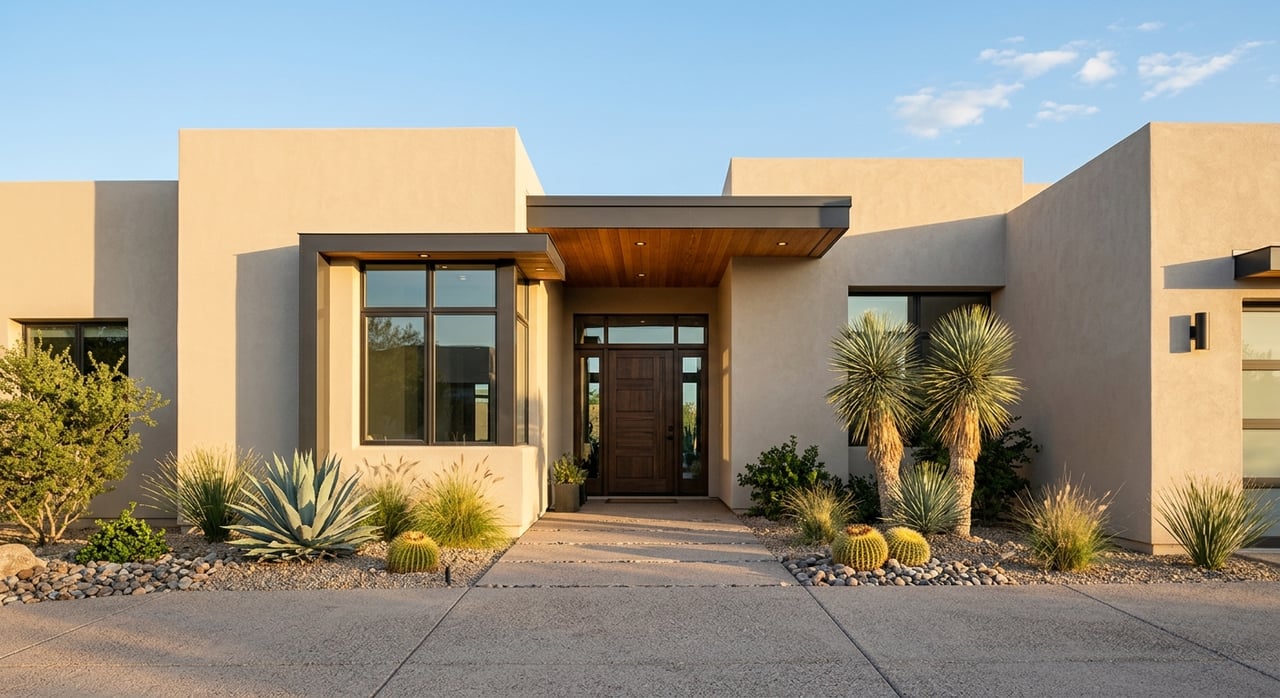
If you love the idea of closing the door and traveling without worrying about yard work, exterior repairs, or constant upkeep, lock-and-leave living in Phoenix can sound like the perfect fit. That appeal is especially strong in a city known for extreme heat, low rainfall, and long summer days, where simpler home maintenance can make everyday life easier. In this guide, you’ll learn what lock-and-leave really means in Phoenix, which housing options often fit the lifestyle, and what to review before you buy. Let’s dive in.
In Phoenix, lock-and-leave is best understood as a lifestyle, not a legal property type. It usually describes a home that is easy to secure and designed for lower day-to-day upkeep, often in a community where the HOA manages some maintenance and shared amenities.
That said, the listing description only tells part of the story. In Arizona, the real rules come from the recorded community documents and from whether the property is legally structured as a condominium or a planned community.
Phoenix is a natural place for lock-and-leave living. The City of Phoenix describes itself as the hottest large city in the United States, and NOAA characterizes the area as having a desert climate with low annual rainfall, low humidity, and very hot summer daytime temperatures.
For many buyers, that climate makes low-maintenance housing especially appealing. If you travel often, split time between homes, or simply want fewer routine chores, a home with HOA-managed upkeep can offer more convenience and less stress.
Several property types in Phoenix can support a lock-and-leave lifestyle. The key is to look past the label and confirm how that specific community handles maintenance, access, and owner responsibilities.
Arizona law defines a condominium as real estate with separate ownership of individual units and shared ownership of the common elements. Those common elements often include areas such as land, exterior walls, walkways, and recreational spaces.
For lock-and-leave buyers, condos are often attractive because the association may handle more of the exterior and common-area burden. Still, you should verify the declaration and community rules to see exactly where the HOA’s responsibilities stop and yours begin.
Townhomes are generally attached homes that share one or two walls with neighboring units and are individually owned. Many townhome communities also offer amenities such as pools, clubhouses, and fitness spaces that can support a lower-maintenance lifestyle.
But the word townhome does not automatically mean easy upkeep. In one community, the HOA may handle more exterior maintenance, while in another, the owner may carry much more responsibility.
Patio home is more of a market term than a formal legal category. It often refers to smaller, close-set homes, sometimes zero-lot-line properties, where landscaping and some maintenance may be included in HOA dues.
In Phoenix, it is smart to treat patio home as a style description rather than a guarantee of lock-and-leave convenience. As with any property type, the actual ownership and maintenance structure comes from the title documents and community rules.
This is one of the most important takeaways for Phoenix buyers. A condo, townhome, or patio home may all sound low-maintenance, but the real question is how much upkeep, control, and rule enforcement does this specific community assign to you.
A marketing description might highlight ease and convenience, but Arizona’s legal framework makes the governing documents far more important than the label on the listing. Before you fall in love with a floor plan, make sure you understand the practical side of ownership.
If you are considering a lock-and-leave home in Phoenix, focus on the documents that explain how the community operates. Arizona HOAs are governed by recorded CC&Rs, articles of incorporation, bylaws, and rules, and those documents can be enforceable as a contract between the owner and the association.
A careful review can help you avoid surprises after closing. It can also help you compare two similar homes that have very different ownership responsibilities.
Start by confirming which parts of the property the HOA maintains and which parts you maintain. In planned communities, common areas are owned by the HOA, while in condominiums, common elements are shared and often include exterior-related features.
This is where lock-and-leave living is either confirmed or challenged. If the association handles the exterior, common landscaping, and shared amenities, the home may truly support a lower-maintenance lifestyle.
Rules can affect your day-to-day experience just as much as the home itself. Arizona guidance warns that CC&Rs may restrict items such as landscaping, RV parking, play equipment, and satellite antennas.
Arizona HOA statutes also address issues like parking, solar-energy rules, rental property requirements, and architectural or design review. If you want flexibility, these details deserve close attention before you commit.
Amenities are nice, but the financial condition of the association matters just as much. Arizona’s resale disclosure packet includes the operating budget, the most recent annual financial report, insurance information, a reserve study if one exists, and a summary of pending litigation.
Reviewing these items can give you a clearer picture of how the community is managed. It can also help you understand whether the dues appear to support the services and upkeep you expect.
If you may rent the property for part of the year, check the rental rules early. Arizona’s Senate brief explains that unless the declaration prohibits it, an owner may use the property as a rental, subject to rental time-period restrictions.
That means the answer may vary from one community to the next. If seasonal flexibility matters to you, do not assume the listing language tells the full story.
If you want a simple starting point, begin with these documents and disclosures:
Together, these materials can show you how the community functions, what the dues support, and where your responsibilities begin.
For both condominiums and planned communities in Arizona, the resale disclosure packet must be delivered within 10 days after written notice of a pending sale. The association may charge up to an aggregate of $400 for the disclosure packet, plus limited rush or update fees.
That timing matters when you are buying or selling a lock-and-leave property in Phoenix. It can affect your review period, your planning, and how quickly you can evaluate the fine print.
For some new-home subdivision purchases, Arizona also requires a Public Report before the purchase contract is signed. If you are comparing a resale home to a newly built option, that is another practical detail to keep in mind.
When you tour homes, it helps to evaluate each one through a lock-and-leave lens instead of focusing only on square footage or finishes. The goal is to understand whether the home supports the lifestyle you want.
Ask practical questions such as:
Those questions can help you compare two homes that may look similar online but function very differently once you own them.
In Greater Phoenix, lock-and-leave living can be a great fit for relocating buyers, second-home owners, and anyone who wants less hands-on upkeep. But because the term is informal, the details behind the lifestyle need to be confirmed carefully.
That is where experienced, local guidance can make a real difference. A well-managed search keeps your focus on the communities and documents that match your goals, so you can move forward with more confidence and fewer surprises.
If you are exploring low-maintenance homes in Phoenix or the East Valley, Cynthia Brown can help you compare options, review what matters most, and find a home that truly fits the way you want to live.
Stay up to date on the latest real estate trends.

Work with a trusted real estate professional with 18+ years of experience in buying, selling, and negotiating. Serving the East Valley and Greater Phoenix, specializing in trust and relocation sales for a seamless, stress-free experience.