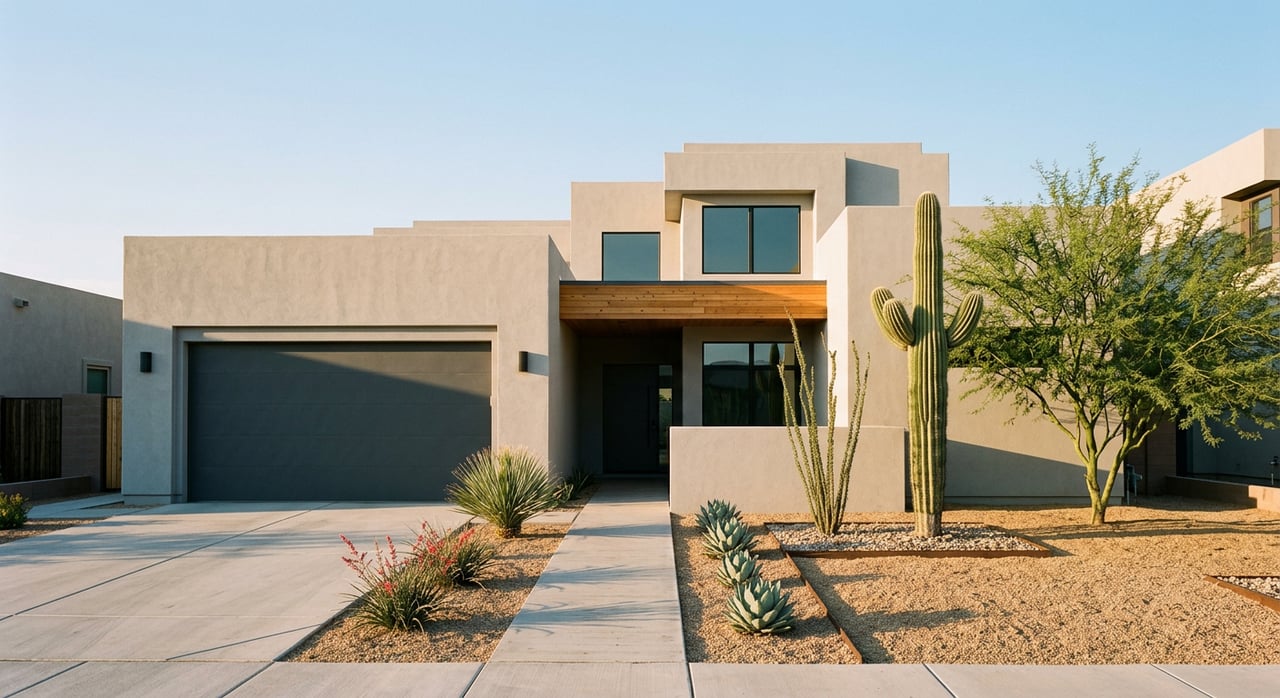
Your Guide to South Mountain Corridor Homes & Lifestyle
March 5, 2026
March 5, 2026
Want mountain views, newer communities, and quick access to the city without a luxury price tag? The South Mountain Corridor offers a rare mix of outdoor living, housing choice, and improving commutes that appeal to both move-up buyers and relocating families. If you’re comparing neighborhoods across Greater Phoenix, this guide shows you how the South Mountain area stacks up on homes, lifestyle, and daily convenience. You’ll learn where the key pockets are, what types of homes you can expect, and how to plan your commute with confidence. Let’s dive in.
The South Mountain Corridor runs along and north of South Mountain Park/Preserve, roughly from Ahwatukee on the east through Laveen and into South Phoenix. Many neighborhoods sit about 3 to 12 miles from downtown, and the City of Phoenix identifies the broader South Mountain planning area as roughly three miles south of the core in its mobility materials. You can explore the city’s corridor context in its South Mountain neighborhoods overview on the City of Phoenix site.
A major shift came with the Loop 202 South Mountain Freeway, designed to improve cross‑valley travel and connect the south side to East and West Valley job centers. ADOT notes the freeway opened new access and development potential along key arterials, which you can see in recent retail and employment nodes. Read more about the project’s purpose and opening on ADOT’s Loop 202 update.
The park itself is a defining lifestyle anchor. South Mountain Park/Preserve spans more than 16,000 acres with miles of trails, scenic drives, and Dobbins Lookout for sweeping valley views. For hikers, cyclists, and casual walkers, it is a daily amenity. Learn more about trail access and seasonal guidance on the South Mountain Park page.
You’ll find established single‑family neighborhoods, mostly older homes built post‑war through the 1970s and 1980s. Lots are often under a quarter acre, with a mix of owner‑occupied and investor‑owned properties. Pricing has tended to track below many East Valley suburbs, with recent snapshots for certain ZIPs showing medians in the mid‑$300s to mid‑$400s. Proximity to downtown and Sky Harbor is a key draw.
Historically semi‑rural, Laveen still offers larger lots alongside an active wave of new construction by national builders. You’ll see everything from compact townhome footprints to one‑acre parcels on legacy lots. Many master‑planned and gated options include community pools, parks, and trails, which make Laveen popular with buyers who want newer homes and more elbow room.
Ahwatukee hugs the mountain on the east side of the corridor, with many homes from the 1980s through the 2000s. Floor plans often run larger than inner South Phoenix, and pricing commonly falls in the $400k to $700k range depending on the micro‑neighborhood. Golf, neighborhood parks, and quick access to the freeway network add to the appeal.
Expect bungalow and ranch styles with modest footprints, mature landscaping, and functional but smaller yards. These neighborhoods appeal if you value a shorter downtown commute and established streetscapes. Investors also consider these areas for renovation potential and rental holdings.
If you want modern floor plans and on‑site amenities, Laveen’s builder communities are an easy fit. For example, Pulte’s McClellan Ranch showcases how today’s master‑planned neighborhoods bundle parks, trails, and community spaces alongside a range of home sizes. You can browse a representative amenity list on the McClellan Ranch overview.
Beyond master‑planned tracts, pockets of Laveen still offer larger parcels that appeal if you want room for a workshop, RV parking, or a more open setting. Inventory can vary by month, so it pays to check active listings closely and verify any local zoning or HOA rules tied to your target parcel.
The Loop 202 South Mountain Freeway changed daily travel on the south side of the Valley by creating a continuous bypass around central Phoenix. If your job is in Tempe, Chandler, or the Price Corridor, easy access to Loop 202 can shave minutes and reduce surface-street stress. For downtown or airport commutes, I‑10 and arterials like Baseline, Southern, and Central often remain the most direct routes.
As a benchmark, the U.S. Census reports the citywide mean commute time at about 26 minutes. Actual drive times vary by neighborhood and time of day, so plan a few test runs during your typical peak period. You can view the city’s commute benchmark on the Census QuickFacts page for Phoenix.
Transit is an option for some commuters. Valley Metro operates local bus service and limited RAPID routes that connect Park & Ride lots near Baseline to downtown. Schedules and stops change, so you’ll want to confirm details close to your move date. You can explore a network overview in this Valley Metro bus summary, then verify exact times with Valley Metro directly.
If outdoor time is high on your list, this corridor delivers. South Mountain Park/Preserve is one of the largest municipally managed parks in the country, with trail options for casual hikers and dedicated mountain bikers alike. Dobbins Lookout, the National Trail, and the scenic drive are popular highlights. Review current trail conditions and seasonal tips on the City of Phoenix park page.
You’ll also find neighborhood parks, community pools in many newer subdivisions, and golf options in Ahwatukee. Weekend plans can be as simple as a quick sunset walk on the foothill trails, then dinner at a local spot along Baseline.
Retail and services have followed the freeway and arterial improvements. The Baseline and 59th Avenue area is a standout example, with grocery anchors and planned entertainment helping turn the corridor into a one‑stop daily hub. Regional reporting tied the node’s growth to the South Mountain Freeway opening and local economic development efforts, which you can see in this KJZZ coverage of Loop 202’s debut and related retail plans.
Education and workforce training are part of the picture too. South Mountain Community College serves South Phoenix, Laveen, and surrounding neighborhoods with degree programs, workforce upskilling, and dual‑enrollment options.
Ready to explore homes along the South Mountain Corridor or position your current home to sell? Connect with Cynthia Brown for a calm, project‑managed path to your next move, from strategic pricing and staging to relocation‑savvy timelines. Get your free home valuation and a custom plan today.
Stay up to date on the latest real estate trends.
Work with a trusted real estate professional with 18+ years of experience in buying, selling, and negotiating. Serving the East Valley and Greater Phoenix, specializing in trust and relocation sales for a seamless, stress-free experience.