East Valley Relocation Guide: Gilbert, Chandler And Tempe
April 16, 2026
April 16, 2026
If you’re relocating to the East Valley, choosing between Gilbert, Chandler, and Tempe can feel harder than it looks. These three cities are close together, but they offer very different day-to-day experiences depending on how you live, work, and want to get around. This guide will help you compare housing, commutes, job access, and lifestyle so you can narrow your options with more confidence. Let’s dive in.
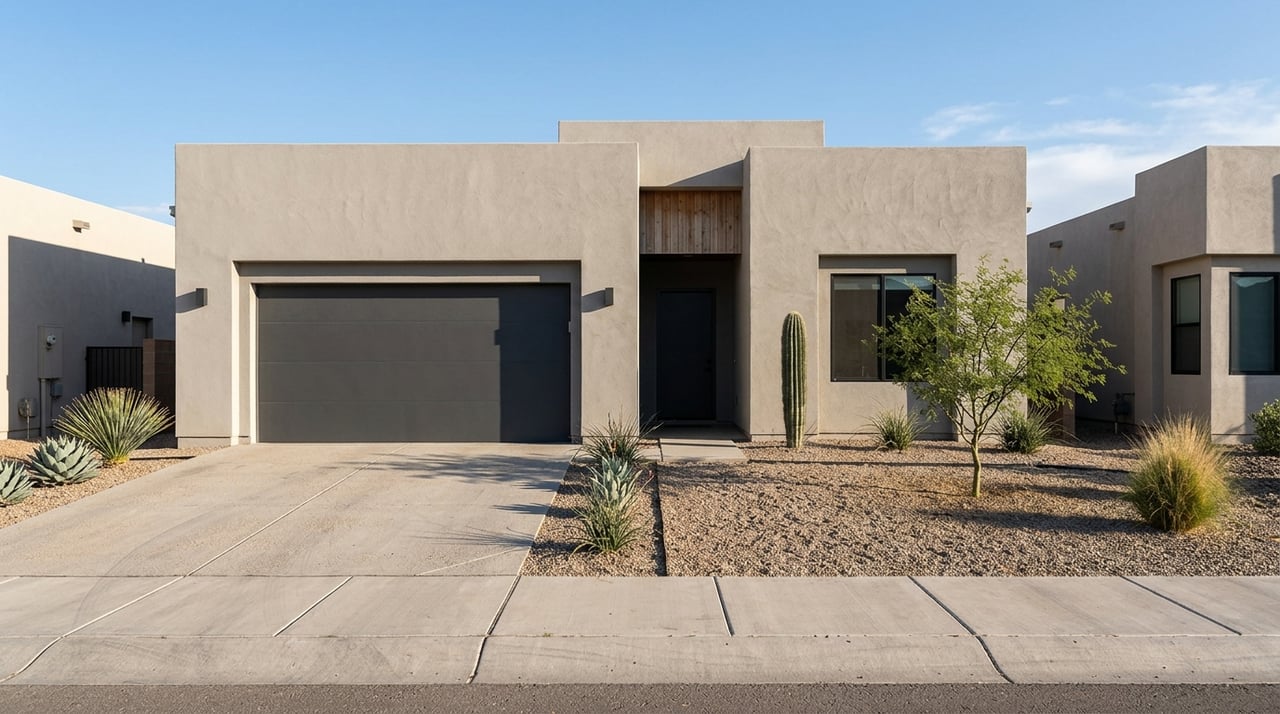
Gilbert, Chandler, and Tempe all sit within the same East Valley market, but each city has a distinct personality. Based on city housing, transportation, and economic development materials, Gilbert is the most suburban and detached-home focused, Chandler blends suburban neighborhoods with a major employment corridor, and Tempe is the most urban and transit-oriented of the three.
That matters when you relocate because your best fit is not just about price or square footage. It is also about how you commute, what kind of home you want, and whether you prefer a neighborhood-centered setting or a more connected urban environment.
Gilbert tends to appeal to buyers who want a more suburban setup with a strong detached-home presence. The town reports 94,983 housing units, with 86.3% low-density single-family homes and 13.4% multi-family units in its ACS-based consolidated plan.
The town also offers a mix of local destinations that support a neighborhood-focused lifestyle. In the Heritage District, you’ll find more than 30 restaurants, retail, a theater, museum, gallery, and free public parking. For outdoor time, the Riparian Preserve includes a 110-acre wetland setting, more than 4.5 miles of trails, a floating boardwalk, and an observatory.
Gilbert is well connected to surrounding East Valley destinations, but it reads as the most car-dependent of the three cities. The town’s transportation resources highlight Valley Metro bus routes, a Park-and-Ride, and ShareTheRide connections to places like Downtown Chandler, Mesa, Phoenix, ASU Polytechnic, Mercy Gilbert Medical Center, Intel, and the Heritage District.
If you plan to drive to work and want a residential home base with access to several job centers, Gilbert may feel like a natural fit. If transit access and walkability are near the top of your list, you may want to compare it closely with Tempe before deciding.
Chandler often lands in the middle for buyers who want suburban living with stronger built-in employment access. The city reports more than 112,000 housing units, including 71.7% single-family homes, 20.9% apartments, 5.5% condos, and 1.8% mobile homes.
That wider housing mix can give you more flexibility than Gilbert, especially if you are comparing detached homes with condos or newer infill options. Chandler also notes that because about 93% of the city is already developed, much of its future housing will come through infill and redevelopment rather than large new residential expansion.
Chandler’s location is strongly shaped by the Price Corridor, which sits around Loop 101 and Loop 202. The city says this corridor includes 749 businesses, 42,060 jobs, and 5.7 square miles of commercial real estate, with major employers such as Intel, Wells Fargo, Bank of America, Northrop Grumman, and Microchip Technology.
For transportation, Chandler also offers the Chandler Park and Ride at Germann and Hamilton, plus Route 112, express service to downtown Phoenix, and connections to light rail in Mesa. The city’s Chandler Flex service adds on-demand microtransit for trips to jobs, schools, healthcare, and other destinations across the city.
Tempe is the most urban and mixed-use option of the three. The city describes a broad housing mix that includes apartments, condos, townhomes, micro-homes, car-free multi-family development, live-work units, and single-family homes.
Tempe’s housing materials also show a denser pattern than Gilbert or Chandler. About 39% of city land is developed with single-family housing and about 11% with multi-family housing, while mixed-use zones in the urban core can reach 65 or more dwelling units per acre. The city is also actively redeveloping Apache Boulevard with apartments, live-work units, and for-sale townhomes.
If getting around without relying only on a car is important to you, Tempe stands out. According to the city’s economic development overview, Tempe is about 10 minutes from Sky Harbor, is crossed by five freeways, has nine light rail stops, and operates a 3.1-mile streetcar with 14 stops. Buses also serve most major streets.
Tempe frames downtown, ASU, and the Rio Salado corridor as a connected urban network. For many relocating buyers, that means a more seamless mix of work, dining, recreation, and transportation than you may find in a more suburban setting.
The biggest difference for many buyers comes down to housing type.
Gilbert is the clearest choice if you want neighborhoods dominated by detached homes. Its housing profile remains heavily weighted toward low-density single-family properties, which often aligns with buyers who want a more traditional suburban layout.
Chandler also offers a strong single-family presence, but with a broader overall inventory mix. That can be helpful if your search includes both larger suburban homes and lower-maintenance options.
Tempe is the strongest match if you want condos, townhomes, or more urban attached housing. Its redevelopment areas and mixed-use districts create more opportunities for buyers who want a lower-maintenance home near transit, employment centers, and activity hubs.
Chandler can also offer this kind of variety in select areas, especially through infill and redevelopment. Gilbert is generally the least likely of the three to be your first choice if attached housing is your top priority.
Where you work can quickly narrow your search.
Chandler is often the most direct fit if your job is tied to the Price Corridor. Living nearby can simplify freeway access and reduce the need for a cross-valley commute.
Gilbert can still work well if you want a more residential base while staying connected to Chandler-area employers. Its transportation materials specifically point to connections to Intel and nearby regional destinations.
Tempe often makes the most sense if your routine centers on ASU, Downtown Tempe, or the city’s mixed-use office districts. The city highlights hubs such as Downtown Tempe/Mill, Novus, Apache, Lake District, Papago, and Research and Discovery in its innovation hub materials.
Tempe Town Lake is another major node, with more than 40,000 workers surrounding the lake. If you want to be close to those areas and value transit options, Tempe has the clearest edge.
Relocation is never just about the home. It is also about what your weekends and everyday routines look like.
Gilbert often feels the most neighborhood-centered. Between the Heritage District, Water Tower Plaza, and the Riparian Preserve, the town offers a suburban setting with a compact downtown and accessible outdoor spaces.
If you want a calmer residential base with local dining and trail access, Gilbert may line up well with your goals. It tends to suit buyers who want more separation between residential life and major employment centers.
Chandler balances suburban comfort with a more established downtown and strong arts access. The city highlights Downtown Chandler parking and visitor access, along with amenities such as Chandler Center for the Arts, Vision Gallery, Chandler Museum, and outdoor destinations like Tumbleweed Park, Veterans Oasis Park, and the Paseo Trail.
For many buyers, Chandler feels like a practical middle ground. You can get suburban neighborhoods, dining and cultural amenities, and strong employment access without shifting fully into an urban environment.
Tempe has the most active urban core of the three. Tempe Town Lake is one of Arizona’s most visited public attractions, with walking, jogging, biking, boating, and more than 40 special events each year. Tempe Beach Park adds another major recreation and event anchor, with more than five miles of paths and about 40 events annually.
If you want a more connected, active, and mixed-use environment, Tempe is likely to stand out. It tends to be the strongest fit for buyers who want urban energy, event access, and multiple ways to get around.
| City | Best known for | Housing pattern | Commute style | Lifestyle feel |
|---|---|---|---|---|
| Gilbert | Suburban residential base | Mostly detached single-family homes | Bus and freeway access, more car-dependent | Neighborhood-focused with compact downtown and trails |
| Chandler | Suburban living with job access | Broad mix of single-family, apartments, and condos | Strong freeway access and major employment corridor | Established suburb with dining, arts, and recreation |
| Tempe | Urban, mixed-use living | Wide range of condos, townhomes, apartments, and mixed-use housing | Strongest transit network and regional access | Most urban, active, and event-driven |
A simple way to narrow your options is to rank your priorities in this order:
If detached homes and a suburban setting matter most, start with Gilbert. If you want a broader suburban mix with strong employer access, focus on Chandler. If transit, urban living, and mixed-use neighborhoods lead your list, Tempe deserves a close look.
Relocating is easier when you can compare cities through the lens of your actual routine, not just a map. That is where local guidance can save you time and help you make a more confident move.
If you’re planning a move to the East Valley, Cynthia Brown can help you compare Gilbert, Chandler, and Tempe based on your commute, housing goals, and timeline so you can make a move with clarity.
Stay up to date on the latest real estate trends.
Work with a trusted real estate professional with 18+ years of experience in buying, selling, and negotiating. Serving the East Valley and Greater Phoenix, specializing in trust and relocation sales for a seamless, stress-free experience.