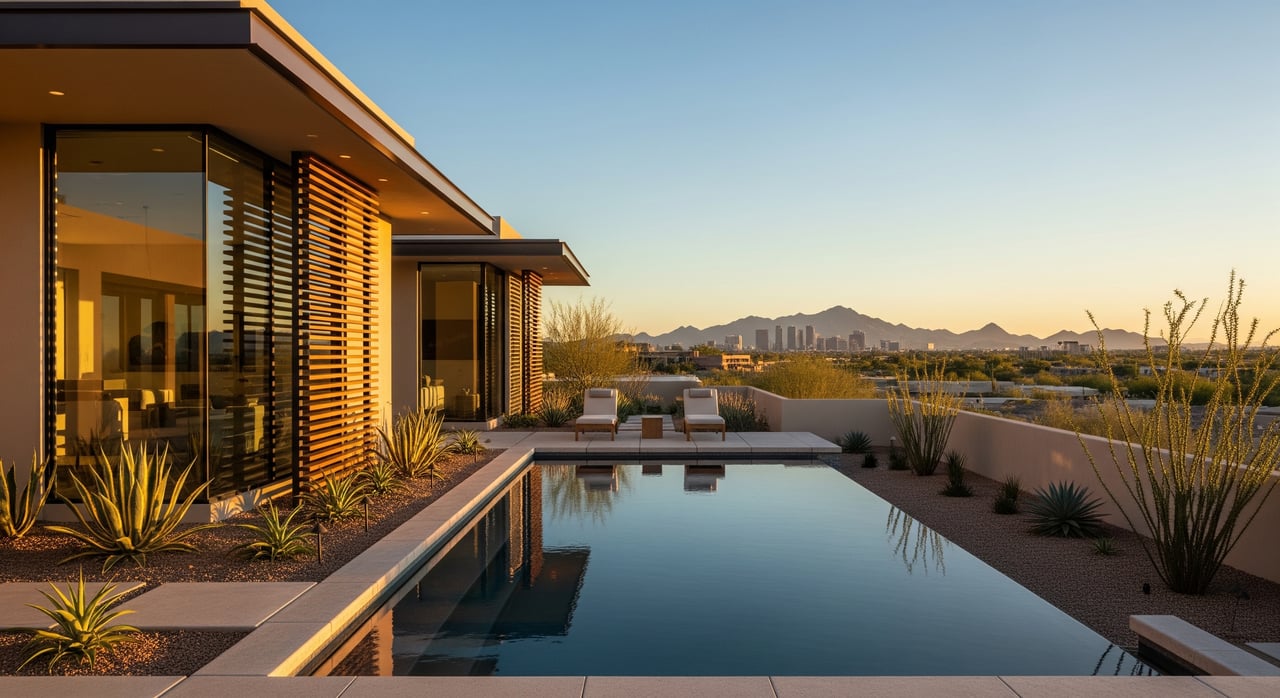
Relocating to Tempe AZ: A Neighborhood & Housing Guide
February 5, 2026
February 5, 2026
Thinking about relocating to Tempe and want a clear picture of where to live, how to commute, and what to expect from the housing stock? You’re not alone. Moving has a lot of moving parts, and Tempe’s mix of urban energy and suburban ease can be hard to compare at first glance. This guide gives you a practical overview of neighborhoods, housing types, transportation, and a simple checklist so you can choose with confidence. Let’s dive in.
Tempe blends a walkable downtown and Arizona State University activity with lakefront recreation at Tempe Town Lake. You’ll find denser housing near the core and more traditional single-family neighborhoods as you move west and south. Many buyers choose Tempe for its central location in the East Valley, access to light rail, and strong restaurant and culture scene around Mill Avenue. Expect a meaningful share of rentals near ASU and a mix of long-term residents in established neighborhoods.
This is Tempe’s highest-density, most walkable area, with restaurants, nightlife, and cultural events shaped by ASU. Housing is mostly mid- and high-rise apartments, condos, and older multifamily buildings that support a strong rental market for students and young professionals. Proximity to light rail and downtown amenities is a major draw. Consider evening and weekend activity levels, parking permits, and the seasonal rhythm of campus life.
Lakefront living offers quick access to parks, paths, and festivals at Tempe Town Lake and Tempe Beach Park. You’ll see condominiums, higher-end townhomes, and select single-family homes on smaller lots, plus newer infill in recent years. Properties with waterfront or view settings often carry premium pricing for views. If you value biking and walking to events, this area is worth a look.
West Tempe features established residential streets, mature trees, and many mid-century single-family homes. It often delivers more affordable single-family options compared to the lakefront and downtown core. Trade-offs can include older systems and finishes, so plan for updates. Renovations and occasional infill projects appear throughout.
These neighborhoods feel quieter and more suburban, with single-family homes and some newer townhome developments near commercial corridors. Many buyers find better value per square foot here than near downtown. The location is convenient for commuters heading to Tempe’s southside employers and the Chandler tech and manufacturing corridors. If you want residential calm with solid regional access, put this on your short list.
You’ll find a mix of single-family homes, newer infill, and distinct pockets of neighborhood character as you approach the city’s southeast edge. The Guadalupe area adds cultural history within the broader corridor. Families should verify school boundaries if zoning matters for your plans. Character varies block to block, so it pays to tour at different times of day.
Recent development has added luxury apartments and mixed-use projects near light rail stations and major arterials. Expect modern finishes and amenities with higher rents. For ownership in condos or townhomes, check HOA rules and special assessments before you decide. These locations work well if you want transit access and newer construction.
ASU is the largest employer, and residents commute across the region to Phoenix, Scottsdale, Chandler, Mesa, and Tempe’s own office corridors. Key arteries include US-60, I-10, Loop 202, and SR-143 for quick access to Phoenix Sky Harbor International Airport. Valley Metro Rail serves the Mill Avenue/ASU and downtown corridor and connects Tempe with Phoenix and Mesa. Bus routes, circulators, and strong bike lanes near the lake and downtown make short commutes realistic for many.
Commute times vary by direction and time of day. If you plan to drive, note current construction projects and peak-hour patterns. In the core, expect paid parking, time limits, and permit zones. Micro-mobility options like scooters and bike-share are common, subject to local rules.
If you prioritize walkability and transit, Tempe often outperforms many East Valley suburbs. If you want newer construction or larger lots, Chandler, Gilbert, or parts of Mesa typically offer more choices.
Tempe is more built-out than some neighboring suburbs, and many single-family homes date to the mid-20th century. Lot sizes tend to be smaller than in the master-planned areas of Chandler or Gilbert. You’ll see higher concentrations of condos, apartments, and townhomes near the ASU and downtown corridors. For older homes, budget for inspection items like roof, HVAC, plumbing, electrical, and potential system upgrades.
If you are considering a condo or townhome, review HOA budgets, reserves, parking policies, rental permissions, and any special assessments. Near the lake or river channel, confirm floodplain considerations by checking FEMA maps and local drainage information. If rental potential matters, weigh Tempe’s strong demand with seasonality related to academic calendars.
If you are listing a Tempe property, understand your most likely buyer profile. Near ASU and downtown, investors and renters may be part of the mix; in quieter areas, owner-occupiers may dominate. Timing can matter, especially around the academic calendar, so plan open houses and listing dates accordingly. Proximity to light rail or the lake tends to raise buyer interest, so use like-for-like comps to price strategically.
Tempe’s rental demand is strong because of ASU and a young professional demographic. Balance this with vacancy risk tied to academic cycles. Review local short-term rental rules and permitting, and factor in parking and permit requirements for student-oriented properties. Consider professional property management if you plan to operate at scale.
Relocating is easier when you have a calm, experienced partner who knows Tempe block by block. As a Certified Relocation Professional and Strategic Pricing Specialist, Cynthia helps you prioritize neighborhoods, plan commute tests, and understand trade-offs before you buy or list. If you are selling, she coordinates staging and vendors so your home shows market-ready and priced to perform. Have questions or want a personalized plan? Connect with Cynthia Brown to get started.
Stay up to date on the latest real estate trends.
Work with a trusted real estate professional with 18+ years of experience in buying, selling, and negotiating. Serving the East Valley and Greater Phoenix, specializing in trust and relocation sales for a seamless, stress-free experience.